
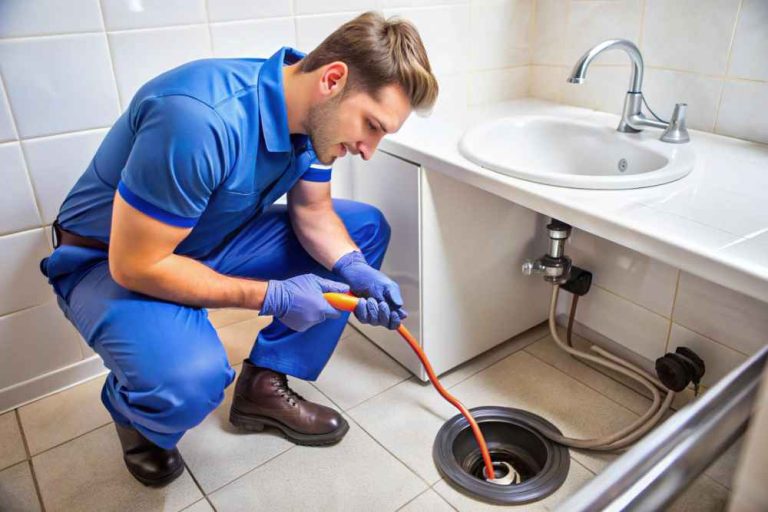
Is it right to overlook the blocked drain for a long time? The answer is a big, definite no. Unclogging drains is a common household challenge we all face at some point. However, even a small blockage can lead to problems such as bacterial growth and foul odours. You need to fix your blocked drain promptly to keep your home clean and hygienic. One such solution is caustic soda, a highly effective yet potentially hazardous substance.
In this blog post, we will explore the use of caustic soda to unblock drains, including its effectiveness, safety considerations, and alternative methods.
What is Caustic Soda?
Caustic soda, also called sodium hydroxide (NaOH), is a highly corrosive, strong alkaline chemical. It is a white, fragrance-free solid used in many industries for manufacturing, cleaning, and water treatment, as well as in some household products, such as drain cleaners. Due to its caustic nature, it can cause chemical burns if it comes into contact with skin or eyes, and proper safety precautions must be taken, such as wearing gloves and eye protection.
Should You Use Caustic Soda to Clear Blocked Drains?
The answer is straight no. Caustic soda is extremely corrosive and can cause damage. While it can be effective in any emergency, be aware of the risks. There are some limitations to keep in mind when choosing this drain-unblocking method. You can try various DIY approaches instead.
How can you unblock a drain with caustic soda?
At some point, homeowners face the most difficult issue. It’s used to unblock a drain. Some landholders use caustic soda for that purpose.
Wear Safety Gear: The initial step involves wearing safety equipment such as gloves, goggles, long boots, and a respiratory mask.
Preparing the Solution: Caustic soda dissolves in water. Add a small amount, probably one cup, of caustic soda to a bucket or other container. Now it depends on you how much your requirement is. Stir it with a wooden or plastic stick and continue stirring until the caustic soda is completely dissolved in the water.
Pouring the solution: After the caustic soda has fully dissolved, you can pour the solution. In some situations, the drain opening is too small. You can use a funnel to prevent the solution from spilling on the floor. It lets you pour the solution down the drain slowly.
Wait for a while: Leave the area for at least a few minutes. During this time, the solution will work effectively to clear the drain. For persistent clogs, you may need to let the solution sit for longer.
Repeat the Process: If the drain is slow, you can repeat the process. However, don’t overdo it, as this may damage the pipes.
Why You Should Avoid Using Caustic Soda to Unclog Drains?
Using caustic soda to clear a drain is not considered a safe method. The dangers of using caustic soda are not limited to humans; it can also damage your property.
Property Damage: Environmental impact, drain hardening, damage to fixtures, and pipe damage are the most common types of damage to your property. The pipe becomes completely sealed during the drain hardening process. There is a risk that tiles, sinks, or surfaces may get damaged. If you experience pipe damage, it may be due to excessive use of the process. Using caustic soda has a significant impact on the environment. After unblocking the drain, the ingredients used can affect plants and the water system.
Health Risks of Caustic Soda: The most common health risks to humans include breathing problems, skin damage, and eye damage. If the area is poorly ventilated, the strong fumes from the solution may affect your breathing. You may get irritated if a small amount of caustic soda is dropped on your skin. There is a risk of blindness if the process is not done carefully.
What Are the Precautionary Measures While Using Caustic Soda?
Gear Up for Safety: When using caustic soda, wear three essential items: safety goggles, rubber gloves, and long-sleeved clothing. You must dress so that no part of your body is exposed to the chemicals. In certain situations, when strong chemicals spill onto the ground, wearing long boots can protect you from contact. Additionally, use a respiratory mask for safety.
Proper Ventilation: Opening doors and windows helps bring in fresh air. Exhaust fans can provide extra ventilation. All the requirements for feeding yourself must be met before starting. Avoid drinking, eating, or smoking when working with caustic soda. Do not breathe directly into the air during that time.
Seeking medical Help: Inhaling fumes from caustic soda can lead to serious respiratory issues. Move to fresh air right away. If symptoms continue, get medical help.
Safe Disposal: After unblocking all the drains, dispose of the chemicals properly. The chemicals should not be flushed because doing so can damage the environment.
Proper Storage Tips: Store caustic soda in a high, well-ventilated area. Otherwise, you can store it in a sealed container. It’s the best step for the safety of your children and pets.
What Are Alternatives to Caustic Soda?
Alternatives to caustic soda for drain unblocking include:
Baking Soda and Vinegar
- Pour roughly ½ cup of baking soda into the drain, then add ½ cup of white vinegar.
- Let the mixture fizz for about 10 minutes. Now, flush with boiling water to remove the obstruction.
Boiling Water
- Pour boiling water gradually down the drain in multiple stages.
- This method is best for minor grease or soap clogs.
Washing Soda and Citric Acid
- Mix washing soda with citric acid, as they react correspondingly to baking soda and vinegar.
- Allow the mixture to sit for at least an hour before flushing it with hot water.
Enzyme-Based Cleaners
- These products use natural bacteria and enzymes to decompose organic materials like grease and hair.
- Pour the recommended amount down the drain and let it sit overnight.
- Flush with hot water in the morning.
Conclusion
Using caustic soda to unblock drains can work, but it carries considerable risks. This minor blockage may cause serious problems later. This is a strong chemical that can quickly unblock stubborn clogs, but it can also be dangerous to your health and pipes if used improperly. Always follow safety rules, like wearing protective gear and reading instructions carefully. If you are unsure, consider using other methods or getting professional help to prevent damage or injury.