
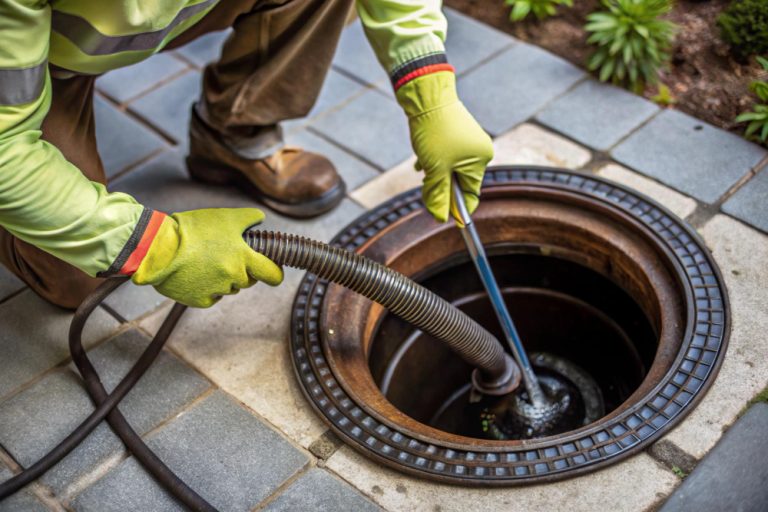
Plumbers clear blocked drains by first inspecting the pipes, often using a CCTV camera to locate the blockage. They then use drain rods for minor clogs, high-pressure water jetting for grease and debris, or a motorised drain auger for stubborn blockages like tree roots. In severe cases, pipe repair or excavation may be required.
Blocked drains are one of those problems that start small but quickly turn into a full-blown household nightmare. One moment, your sink is draining a little slower than usual, and the next, you’re ankle-deep in murky water, wondering what went wrong. It’s unpleasant, inconvenient, and sometimes downright expensive if ignored for too long. But have you ever stopped to think about how plumbers clear blocked drains so effectively?
Professional plumbers don’t just pour something down the sink and hope for the best. They rely on specialised tools, experience, and proven methods that go far beyond basic DIY attempts. Whether it’s a kitchen sink clogged with grease, a bathroom drain filled with hair, or blocked outdoor pipes caused by tree roots, the approach varies depending on the severity and location of the blockage.
In this detailed guide, we’ll walk through everything from identifying early warning signs to understanding the advanced equipment plumbers use. We’ll also explore how to safely clear a blocked drain at home, when to seek professional help, and why regular drain maintenance could save you hundreds of pounds in the long run. So, let’s roll up our sleeves and dive in.
Understanding Blocked Drains and Why They Happen
Blocked drains rarely occur without reason. They are typically the result of gradual build-up, misuse, or environmental factors. Think of your drainage system like the veins of your home. When something obstructs them, everything slows down or worse, stops entirely.
In UK households, the most common culprits include cooking grease, soap residue, hair, food scraps, wet wipes, and sanitary products. Over time, these materials cling to pipe walls and accumulate. It doesn’t happen overnight. It’s more like cholesterol building up in arteries slow, silent, and eventually problematic.
External drains face different challenges. Leaves, mud, tree roots, and even collapsed pipework can restrict water flow. In older British properties with clay pipes, root intrusion is especially common. Once roots find moisture, they grow aggressively, cracking pipes and causing severe obstructions.
Commercial properties experience additional strain due to higher usage. Restaurants, for example, often suffer from fatbergs solid masses of grease and debris that form in pipes. Offices and public facilities deal with excessive paper waste and improperly flushed foreign objects.
Understanding why drains block is crucial because prevention is always easier and cheaper than repair. Proper cleaning of drains, routines, mindful waste disposal, and routine inspections all contribute to keeping your plumbing system functioning smoothly.
How to Identify a Blocked Drain
Spotting a blocked drain early can mean the difference between a quick fix and a major plumbing emergency. The signs are usually there you need to recognise them.
Inside your home, the first indicator is slow drainage. If water lingers in your sink, shower, or bath before draining, something is restricting the flow. Gurgling sounds are another red flag. When air struggles to pass through trapped water, it creates that unmistakable bubbling noise.
Unpleasant odours are equally telling. Decomposing food, grease, and waste trapped in pipes emit foul smells that drift back into your home. If your kitchen or bathroom smells persistently unpleasant despite cleaning, the issue could be deeper within your plumbing system.
Outside, blocked drains often manifest as standing water in the garden, overflowing inspection chambers, or damp patches near external walls. Cleaning outside drains regularly helps prevent such problems, but when ignored, they escalate quickly.
One particularly serious warning sign is water backing up through multiple fixtures simultaneously. If flushing the toilet causes water to rise in the shower tray, the blockage may lie within the main sewer line. At this stage, professional assistance is no longer optional it’s essential.
Recognising these symptoms early empowers homeowners to act before minor inconvenience turns into structural damage or health hazards.
How to Unclog a Drain
Before calling a plumber, many homeowners attempt DIY solutions. And sometimes, that’s perfectly reasonable. Knowing how to unclog a drain safely can resolve minor blockages without professional intervention.
The most traditional method is using a plunger. It creates suction pressure that can dislodge small obstructions. For kitchen sinks, removing and cleaning the U-bend trap often reveals trapped debris. A simple drain snake from a hardware shop can also extract hair or compacted material near the surface.
Hot water mixed with washing-up liquid can help dissolve grease build-up. Baking soda and vinegar combinations create fizzing reactions that may loosen minor debris. However, these methods work best for early-stage clogs not severe blockages.
Chemical drain cleaners, while widely available, carry risks. They can corrode older pipes, harm the environment, and pose safety hazards if mishandled. Overuse often weakens pipe joints, leading to leaks over time.
If water won’t drain despite repeated attempts or if multiple fixtures are affected, it’s time to contact a professional. Plumbers possess tools and expertise far beyond household remedies. Attempting to force the issue can cause further damage and increase repair costs.
Understanding your limits is just as important as knowing basic DIY techniques.
Professional Methods Plumbers Use to Clear Blocked Drains
When standard solutions fail, plumbers turn to specialised equipment designed to tackle stubborn obstructions efficiently and safely. Their approach depends on blockage type, location, and pipe condition.
Drain Rodding Explained
Drain rodding is one of the oldest and most reliable techniques used in the UK. It involves inserting flexible rods into the drain system to break apart or retrieve blockages. These rods screw together, allowing plumbers to reach deep within underground pipes.
This method is particularly effective for clearing solid obstructions, such as compacted waste or minor root intrusions. It’s manual but precise, allowing plumbers to feel resistance and adjust accordingly.
High-Pressure Water Jetting
Water jetting is a more advanced and highly effective method. Using specialised equipment, plumbers blast high-pressure water often exceeding 3,000 PSI through pipes. This force removes grease, sludge, scale, and even tree roots.
Unlike rodding, jetting thoroughly cleans pipe walls, restoring near-original flow capacity. It’s especially useful for commercial properties and recurring blockages.
Drain Snaking and Augers
Mechanical augers, also known as drain snakes, are motorised tools designed to bore through stubborn debris. They rotate rapidly, cutting through roots and dense blockages that manual rods cannot manage.
CCTV Drain Surveys
Modern plumbing relies heavily on technology. CCTV drain surveys involve inserting a waterproof camera into pipes to diagnose the exact cause and location of the blockage. This eliminates guesswork and prevents unnecessary excavation.
Drain Excavation in Severe Cases
In extreme scenarios, such as collapsed pipes, excavation may be required. Although disruptive, it ensures permanent resolution of structural damage.
These professional techniques demonstrate why experienced plumbers are indispensable for complex drainage problems.
The Importance of Regular Drain Maintenance
If there’s one thing homeowners in Britain often overlook, it’s preventative drain maintenance. We tend to react to problems rather than prevent them. Yet when it comes to drainage systems, prevention truly is better than cure. Think of it like servicing your boiler or car ignore it long enough, and you’ll pay dearly for the oversight.
Regular drain cleaning is not just about avoiding unpleasant smells or slow drains. It’s about protecting your property’s structure, hygiene, and plumbing lifespan. Over time, grease, soap scum, mineral deposits, and organic matter accumulate inside pipes. Even if they don’t cause an immediate blockage, they narrow the pipe diameter. This reduced flow creates pressure, which can lead to leaks or cracks.
Professional plumbers often recommend annual inspections for domestic properties and bi-annual servicing for commercial buildings. High-usage homes particularly those with large families may benefit from more frequent checks. Preventative water jetting, for instance, clears pipe walls before build-up becomes solidified.
Cleaning outside drains is equally essential. Leaves, silt, moss, and debris accumulate in external gullies, especially during autumn and winter. Blocked external drains can lead to garden flooding, damp penetration, and even foundation damage if ignored.
Long-term cost benefits are undeniable. A minor preventative service might cost a fraction of emergency call-out fees or structural pipe repairs. Regular drain maintenance also reduces the risk of sewage backups, which can pose serious health hazards.
In short, consistent care keeps your drainage system flowing freely and protects your home from avoidable disruption.
Emergency Drain Situations – What Happens Next?
Some drain issues cannot wait. When you’re dealing with sewage backing up into your property or water flooding your garden, time is critical. Emergency plumbing services are designed to respond rapidly to prevent further damage.
Burst underground pipes are among the most serious issues. They often occur due to freezing temperatures, ground movement, or tree root intrusion. Signs include sudden drops in water pressure, soggy patches in the garden, or unexplained increases in water bills. In such cases, plumbers may conduct immediate CCTV inspections to pinpoint the rupture before taking action.
Sewage backups are particularly hazardous. Wastewater contains harmful bacteria and pathogens that pose health risks. When toilets overflow or waste surfaces in external drains, professional intervention is essential. Plumbers use protective equipment and industrial-grade tools to safely clear the blockage.
Same-day drain solutions are increasingly common across the UK. Equipped vans carry high-pressure jetting machines, drain rods, and diagnostic cameras, allowing technicians to resolve most issues on-site without delay.
Emergencies highlight why knowing how to clear a blocked drain isn’t always enough. Severe blockages require expertise and specialised equipment to restore proper function quickly and safely.
Companies such as Bio Tech Drains Solution emphasise rapid response, combined with preventive advice, to reduce recurrence.
How Often Should Drains Be Cleared?
One of the most frequently asked questions is: how often should drains be cleared? The answer depends largely on usage, property age, and environmental factors.
For average UK households, professional cleaning once every 12–18 months is generally sufficient. However, certain conditions may require more frequent attention:
- Large households with heavy water usage
- Properties surrounded by mature trees
- Older homes with clay pipe systems
- Homes prone to recurring grease build-up
Commercial premises such as restaurants or cafés may require quarterly maintenance due to higher grease discharge.
Professional routine cleaning of drains prevents minor build-ups from escalating into major obstructions. Even if you’re diligent about what goes down your sink, microscopic debris still accumulates over time.
Outdoor systems require seasonal checks, especially before winter. Cleaning outside drains before heavy rainfall reduces flood risk and reduces structural strain.
Think of it as routine dental hygiene. You brush daily, but you still visit the dentist for a deep cleaning. Similarly, regular preventive plumbing care extends the lifespan of your drainage system and reduces the risk of unexpected emergencies.
Choosing the Right Plumbing Professional in the UK
Not all plumbing services are created equal. Choosing the right professional ensures your blocked drain is resolved properly rather than temporarily masked.
First, check credentials. A reputable plumber should be fully insured and registered with relevant trade associations. Experience matters greatly, particularly when dealing with complex underground drainage systems.
Customer reviews provide valuable insight into reliability and workmanship. Look for companies offering transparent pricing with no hidden charges. Emergency availability is another important factor, especially if you’re dealing with time-sensitive issues.
Modern equipment is a strong indicator of quality service. Plumbers who utilise CCTV surveys and high-pressure jetting demonstrate commitment to efficient, non-invasive solutions.
It’s also wise to select professionals who offer preventive advice rather than quick fixes. Good plumbers educate homeowners on drain maintenance practices to reduce recurrence.
Ultimately, selecting the right expert ensures peace of mind. A well-cleared drain should remain functional long after the service visit.
Conclusion
Blocked drains are more than just a household inconvenience they’re a warning sign that your plumbing system needs attention. From minor kitchen sink clogs to serious underground pipe damage, plumbers’ methods are precise, technical, and highly effective. Understanding how to identify early symptoms, unclog a drain safely, and know when to call in professionals empowers homeowners to act decisively. Regular drain maintenance, routine inspections, and responsible waste disposal habits all contribute to long-term plumbing health.
Whether it’s cleaning outside drains before winter or scheduling annual professional servicing, proactive care prevents expensive surprises. And when problems do arise, experienced plumbers equipped with advanced tools ensure swift resolution.
A clear drain isn’t something you notice but you’ll certainly notice when it’s blocked. Stay vigilant, stay proactive, and your drainage system will serve your home reliably for years to come.